
Robot sorting system: a new efficiency engine for the logistics industry
Jun 23,2025
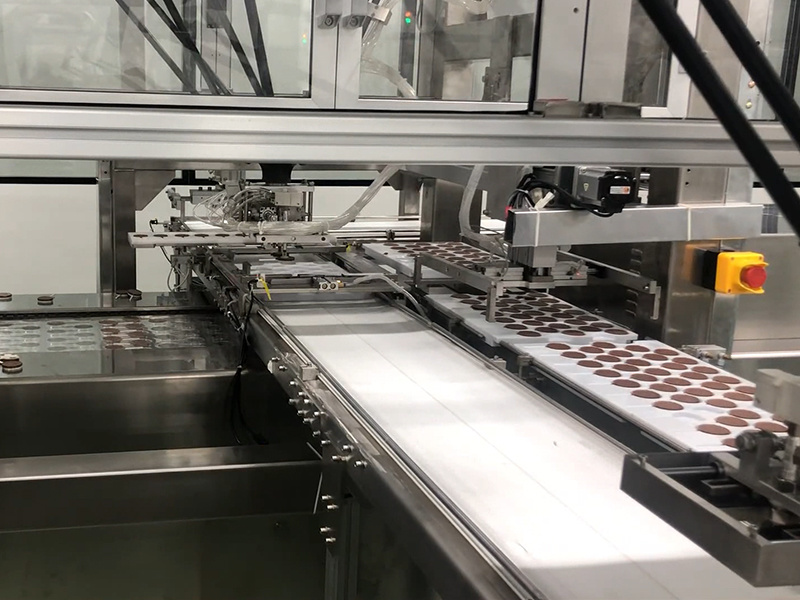
The robotic sorting system integrates multiple cutting-edge technologies. Machine vision technology is its core component. Through high-resolution cameras and advanced image recognition algorithms, the robot can quickly and accurately identify barcodes and QR codes on packages, and even classify packages based on their shape, color, and other characteristics. Even in environments with complex lighting and messy package placement, the machine vision system can operate stably, with an accuracy rate of over 99%. For example, in large logistics warehouses, faced with mountains of packages of various types, the robot can instantly determine the destination of each package using machine vision technology, providing an accurate basis for subsequent sorting actions.
The application of intelligent algorithms also enhances the robotic sorting system. These algorithms can dynamically plan the optimal sorting path based on real-time package flow, destination distribution, and other information, avoiding collisions and congestion between robots and maximizing sorting efficiency. During peak courier periods, the system can automatically adjust strategies, prioritizing urgent and same-city packages to ensure that important packages are delivered promptly. At the same time, through in-depth analysis of historical data, the algorithm can also predict changes in package flow trends and prepare logistics companies for resource allocation in advance.
In practical applications, the advantages of the robotic sorting system are quite significant. Taking a large logistics center as an example, after introducing the robotic sorting system, the hourly package processing volume increased from thousands of pieces with manual sorting to tens of thousands of pieces, an increase in efficiency of several times. Moreover, due to the high precision of robot operation, the sorting error rate has been significantly reduced, from a few thousandths with manual sorting to less than one ten-thousandth, greatly reducing package delays and customer complaints caused by sorting errors. In addition, the robot can work 24 hours a day without rest, unaffected by emotions and fatigue, ensuring the continuity and stability of logistics operations.
In addition to the logistics industry, robotic sorting systems are also widely used in e-commerce warehousing, manufacturing parts sorting, and other fields. In e-commerce warehousing, robots can quickly sort different types of goods to the corresponding shipping areas, improving order processing speed, helping e-commerce companies achieve fast shipping, and improving customer satisfaction. In manufacturing, robotic sorting systems can accurately classify parts on the production line according to model and specifications, providing efficient and accurate material supply for subsequent assembly processes, improving production efficiency, and reducing production costs.
With continuous technological advancements, robotic sorting systems are constantly evolving. In the future, we can expect to see more intelligent and flexible robotic sorting systems. They will be able to adapt to more complex and changeable sorting environments, handle more types of items, inject stronger impetus into the development of logistics and related industries, and drive the entire industry towards higher efficiency and greater intelligence.
Previous:
Latest News
Robot sorting system: a new efficiency engine for the logistics industry
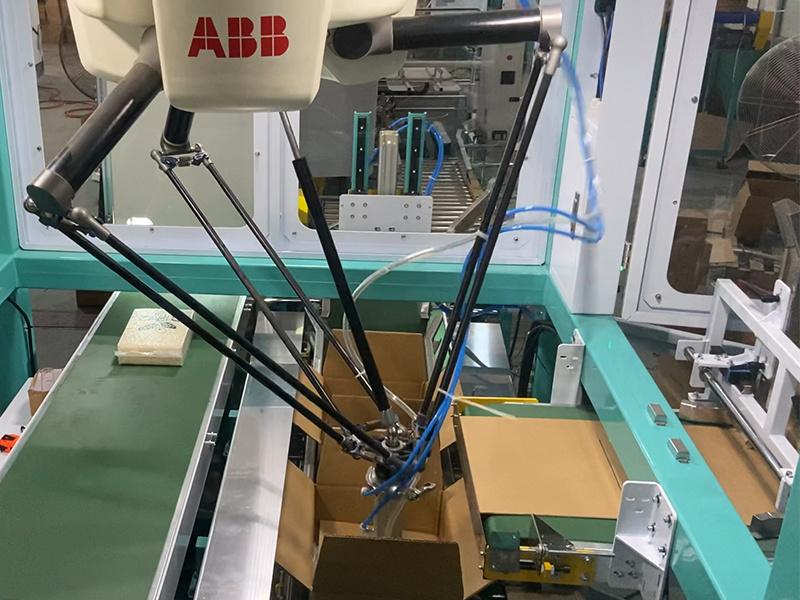
High-efficiency packaging assistant for industrial production
Leave us a message
We will contact you within one business day. Please check your email.
Quick Links
Contact Information
Telephone:0757-81260223
Telephone: 18666362425 (Mr. Zhang)
Telephone: 13927715024 (Ms. Tang)
Email: xinhan-robot@outlook.com
Address: Building 7, Floor 1, Area C,
Xinguangyuan Industrial Base, Luocun,
Nanhai District, Foshan City, Guangdong
Province


