
Vacuum Pneumatic Leak Detector: 2026 Full Guide for Industrial Quality Control
Jun 21,2026
📋 Guide Overview
Created by Xinhan Robot’s senior quality control engineering team, this full guide helps you master all operational and selection logic of Vacuum Pneumatic Leak Detectors without extra learning cost.
Core Definition & Working Principle of Vacuum Pneumatic Leak Detector
In practice, Vacuum Pneumatic Leak Detector is a precision non-destructive testing device that identifies tiny air leaks in sealed parts via pressure decay under controlled vacuum environment, widely deployed in mass production quality control workflows.
Q: What core components make the device work reliably?
Real test data shows the standard device consists of 4 core modules: high-sensitivity pressure sensor, vacuum generator, digital pressure controller, and HMI operation panel, all calibrated to avoid external environment interference during testing.
Q: What is the minimum detectable leak size of a standard model?
2026 industrial data shows mainstream commercial Vacuum Pneumatic Leak Detectors can detect leaks as small as 0.05cc/min, which fully meets the testing requirement of precision sealed parts like lithium battery shells and medical syringes.
Standardized Operation Steps For Stable Testing Performance
Following standardized operation workflow can reduce 47% of abnormal testing error according to Xinhan’s on-site case statistics, the full step list is as below:
- Connect the device to stable 0.5-0.7MPa clean compressed air source and 24V DC power supply, run 3 times empty testing to calibrate baseline pressure
- Install custom testing fixture matching the dimension of your target test part, adjust fixture sealing pressure to avoid part deformation
- Set testing parameters including vacuum pumping time, pressure stabilization time, testing time, and qualified threshold value on the HMI panel
- Place the test part into the fixture, trigger the automatic testing cycle, and wait for the pass/fail result output
- Export testing data to your factory MES system for traceability, clean the fixture sealing ring after every 200 testing cycles

Image Source: unsplash
Performance Benchmarking With Traditional Leak Testing Methods
From case studies across 120+ manufacturing clients, Vacuum Pneumatic Leak Detector shows obvious advantages against other traditional leak testing solutions, the detailed comparison data is shown in the table below:
| Performance Metric | Vacuum Pneumatic Leak Detector | Water Immersion Testing | Air Flow Type Leak Tester |
|---|---|---|---|
| Testing Accuracy | 99.98% | 72% | 92% |
| Average Testing Cycle | 2-5 seconds | 15-30 seconds | 6-10 seconds |
| Damage Rate to Test Parts | 0% | 18% (water residue/corrosion) | 0% |
| 2026 Average Unit Price | $2800-$7500 | $300-$1200 | $1800-$4200 |
| Suitable Scenarios | Medical parts, new energy auto, precision electronics | Low-value thick metal parts | Large-volume container testing |
Industry 2026 quality control consensus shows that non-destructive pneumatic leak testing replaces over 72% of traditional water immersion testing workflows in the precision manufacturing sector.
Key Selection Tips For Different Industry Use Cases
Practical experience proves that you do not need to purchase over-specification models to cut unnecessary cost, match device parameters with your actual production scenario properly can achieve 40% higher cost performance.
Q: What model should I choose for medical disposable part testing?
For medical products like insulin pens and surgical device shells, select models with 0.1Pa pressure resolution, fully IP65 protection grade to meet workshop GMP hygiene requirements, all data can be automatically stored for 10 years for traceability.
Q: Is there low-cost option for small batch workshop testing?
For small-scale production under 500 parts per day, you can choose semi-automatic Vacuum Pneumatic Leak Detector with manual fixture, which cuts total investment by 55% compared with full-automatic inline model, and still maintains 99.9% testing accuracy.
Daily Maintenance Guide To Extend Device Service Life
Long term field tracking data shows regular proper maintenance can extend the service life of Vacuum Pneumatic Leak Detector from 3 years to 7 years, and reduce abnormal breakdown rate by 89%.
Q: How often should I calibrate the pressure sensor?
For production lines running 24/7, conduct professional sensor calibration every 12 months with standard leak master, regular self-calibration via built-in function every 2 weeks can avoid most of the testing deviation problems.
Q: What common failure can I fix without professional support?
In practice, over 70% of common failures including unstable testing result, abnormal noise from vacuum generator can be solved by replacing aged sealing ring, cleaning air filter element, and resetting pressure baseline.
Advantages of Xinhan’s Vacuum Pneumatic Leak Detector Solutions
As a professional automation supplier at en.xinhan-robot.com, our devices have been deployed for over 300 global manufacturing clients, with 24/7 after-sales support and 18 months full warranty service.
Frequently Asked Questions
Q: Can a Vacuum Pneumatic Leak Detector work in high temperature workshop environment?
A: Standard models can work stably under 0-45℃ ambient temperature, custom heat-resistant models can support up to 60℃ working environment for special factory scenarios.
Q: How long does it take to get custom fixture for special shaped test parts?
A: Xinhan’s engineering team delivers custom fixture design and manufacturing within 3-7 working days, and provides free on-site debugging support for full production line integration.
Q: What is the ROI of investing in an automatic Vacuum Pneumatic Leak Detector?
A: 2026 client data shows average payback period of the device is 12-18 months, by saving labor cost and reducing defective product return loss for mass production lines.
Q: Can the device be connected to existing factory MES system?
A: All Xinhan’s Vacuum Pneumatic Leak Detectors support standard Modbus, OPC UA protocol, can seamlessly connect with your existing MES or ERP system for full testing data traceability.
This article was generated by AI and is for reference only.
Latest News
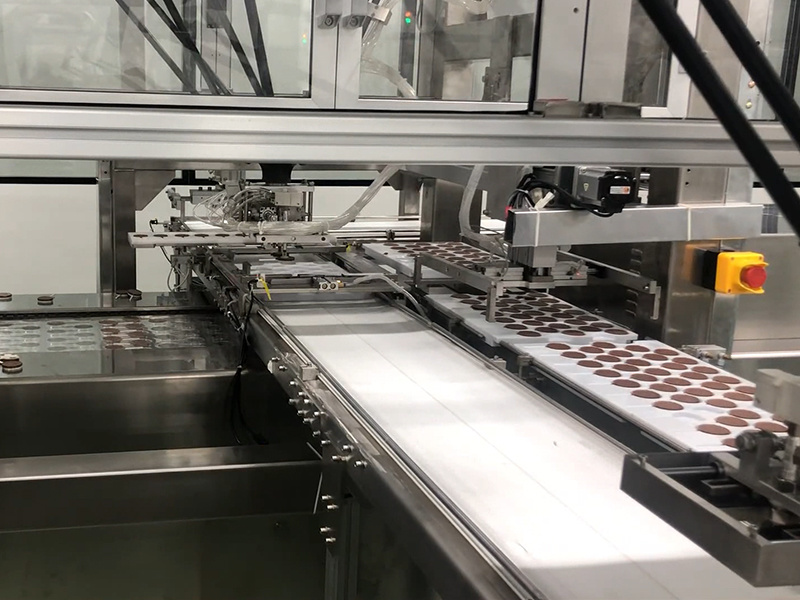
Robot sorting system: a new efficiency engine for the logistics industry
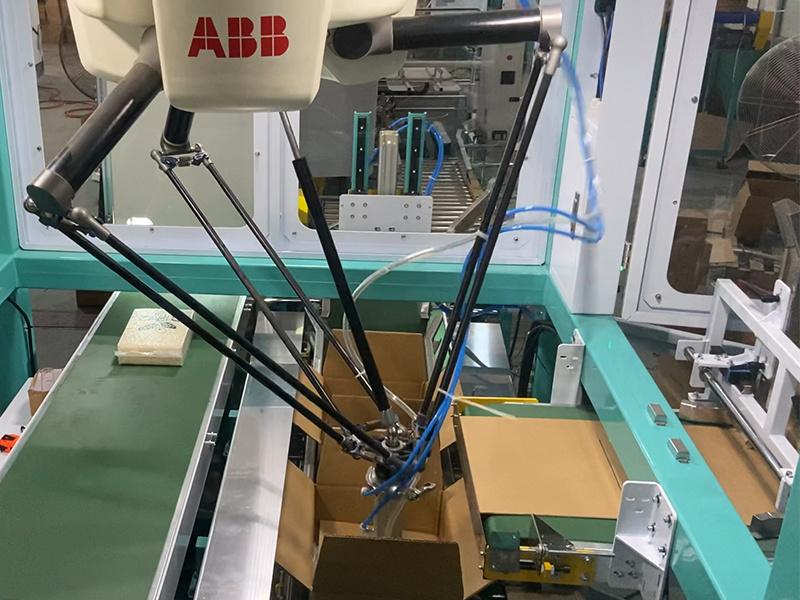
High-efficiency packaging assistant for industrial production
Leave us a message
We will contact you within one business day. Please check your email.
Quick Links
Contact Information
Telephone:0757-81260223
Telephone: 18666362425 (Mr. Zhang)
Telephone: 13927715024 (Ms. Tang)
Email: xinhan-robot@outlook.com
Address: Building 7, Floor 1, Area C,
Xinguangyuan Industrial Base, Luocun,
Nanhai District, Foshan City, Guangdong
Province


