
Unlocking the Future: The Marvels of Robot System Integration
Oct 13,2025
The Dawn of Automation
Hey there! Have you ever wondered how robots manage to work seamlessly alongside humans in factories, hospitals, and even our homes? That's the magic of Robot System Integration. This fascinating field is transforming the way we think about technology and its role in our daily lives.
What is Robot System Integration?
In simple terms, Robot System Integration refers to the process of combining various robotic systems with other technologies to create a cohesive unit that performs complex tasks. It's like assembling a jigsaw puzzle where every piece fits perfectly to enhance functionality.
Why It Matters
This integration isn't just a fancy tech term; it's pivotal for businesses aiming to boost productivity and efficiency. By automating repetitive tasks, companies can reduce human error and free up employees to focus on more strategic initiatives. Talk about a win-win!
The Components of Integration
Alright, let's dive deeper. What goes into Robot System Integration? Here are some key components:
- Robotic Hardware: This includes the physical robots, like arms, drones, and automated guided vehicles (AGVs).
- Software Interfaces: The magic happens here! Software manages communications between robots and other systems.
- Sensors: These little gadgets help robots understand their environment, making for safer and smarter operations.
- Control Systems: Think of these as the brain of the operation. They dictate how robots interact with their tasks.
Real-World Applications
Now, you might be asking, “Where exactly is this applied?” Well, let's take a look at some exciting examples:
- Manufacturing: Robots are integrated to streamline assembly lines, cutting down production time drastically.
- Healthcare: Surgical robots assist surgeons with high precision, improving patient outcomes.
- Logistics: Automated systems in warehouses help manage inventory, reducing costs and errors!
Challenges Ahead
But it's not all sunshine and rainbows, folks. Integrating robotic systems can come with its hurdles:
- High Initial Costs: The upfront investment can be daunting, especially for small businesses.
- Technical Complexity: The integration process requires specialized knowledge and skill.
- Change Management: Employees may resist adopting new technologies, fearing job losses.
The Future Looks Bright
Don't fret! The future of Robot System Integration is brimming with potential. As technology continues to advance, we can expect:
- More Collaboration: Humans and robots will work side by side, enhancing productivity through cooperation.
- Increased Customization: Tailored solutions will allow businesses to meet specific needs more effectively.
- AI Integration: Artificial intelligence will play a crucial role, enabling smarter decision-making processes.
Final Thoughts
In conclusion, Robot System Integration is not just a tech trend; it's a revolutionary approach reshaping industries across the globe. By understanding its components, applications, and future potential, we can better appreciate the amazing world of automation. So, buckle up! The future is here, and it's robotic!
Latest News
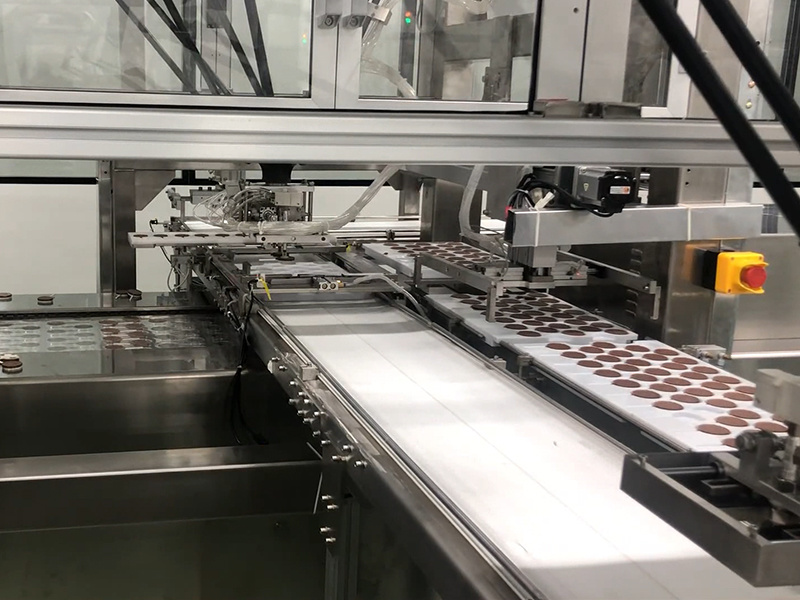
Robot sorting system: a new efficiency engine for the logistics industry
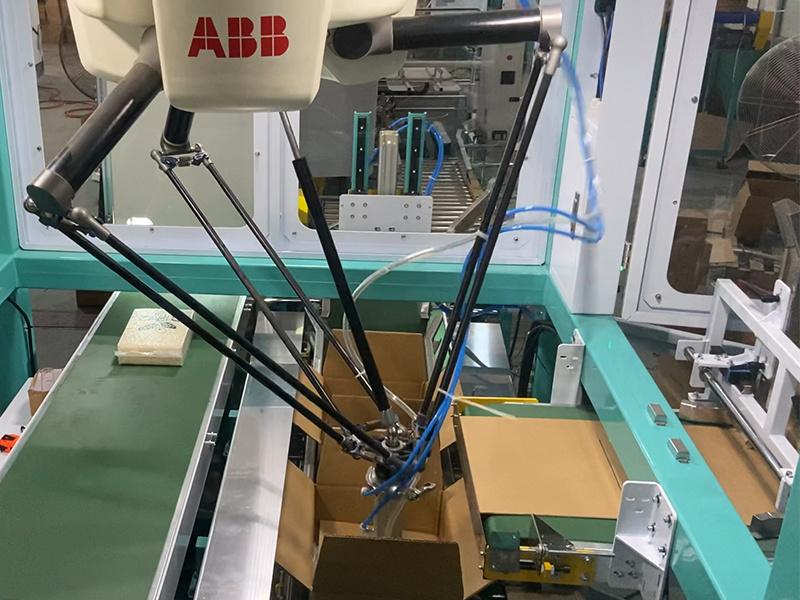
High-efficiency packaging assistant for industrial production
Leave us a message
We will contact you within one business day. Please check your email.
Quick Links
Contact Information
Telephone:0757-81260223
Telephone: 18666362425 (Mr. Zhang)
Telephone: 13927715024 (Ms. Tang)
Email: xinhan-robot@outlook.com
Address: Building 7, Floor 1, Area C,
Xinguangyuan Industrial Base, Luocun,
Nanhai District, Foshan City, Guangdong
Province


