
Revolutionizing Efficiency: The Rise of the Automated Packaging Production Line
Oct 20,2025
Introduction: The Future is Automated!
Have you ever wondered how those neatly packaged products on store shelves get there? Well, step into the world of the Automated Packaging Production Line! This marvel of modern technology is shaking things up in industries across the globe, making processes faster, more efficient, and incredibly streamlined.
What is an Automated Packaging Production Line?
Simply put, an Automated Packaging Production Line refers to a system that uses advanced machinery and technology to package products without much human intervention. Think of it as the assembly line of the packaging world, where speed and precision are the name of the game!
Why the Buzz? Benefits of Automation
Now, you might be asking, "Why all the fuss?" Well, let's break it down:
- Speed and Efficiency: These lines can operate 24/7 without tiring, meaning more products packaged in less time. Talk about productivity on steroids!
- Consistency: No more human error. Every package is sealed and labeled identically, ensuring quality control at every turn.
- Cost-Effective: While the initial investment might be hefty, the savings in labor costs and increased output can lead to significant profits.
- Flexibility: Modern automated lines can adapt to various products, from food to electronics, making them versatile players in the manufacturing arena.
Trends Shaping the Industry
So, what's the latest buzz in the realm of automated packaging? Here are a few trends that are leading the charge:
- Sustainability: With increasing consumer demand for eco-friendly practices, many automated systems are now designed to minimize waste and use recyclable materials.
- Smart Technology: The rise of IoT (Internet of Things) means that these machines can now communicate with each other, optimizing performance and reducing downtime.
- Customization: As personalization takes center stage, automated lines can now accommodate custom packaging designs and sizes, catering to unique market demands.
Challenges to Consider
Of course, it's not all sunshine and rainbows. Transitioning to an Automated Packaging Production Line comes with its own set of challenges:
- Initial Investment: The upfront cost can be a deal-breaker for some businesses, especially small enterprises.
- Maintenance and Upkeep: Regular maintenance is crucial to keep machines running smoothly, which adds to operational costs.
- Skill Gap: As technology evolves, the workforce needs to adapt. Training employees to operate complex machinery is essential.
Real-World Applications
From food production to pharmaceuticals, the Automated Packaging Production Line is everywhere! For instance:
- In the food industry, think about how quickly those ready-to-eat meals are packaged.
- Pharmaceutical companies rely on these systems to ensure accurate dosing with each package.
- Cosmetics brands use automated lines to maintain brand integrity with identical packaging.
Conclusion: The Future Looks Bright
As we gaze into the crystal ball of the packaging industry, one thing is clear: the Automated Packaging Production Line is here to stay. With its ability to boost efficiency, reduce costs, and meet consumer demands, it's revolutionizing how products get from the factory to your hands. So, buckle up, folks—this is just the beginning!
Latest News
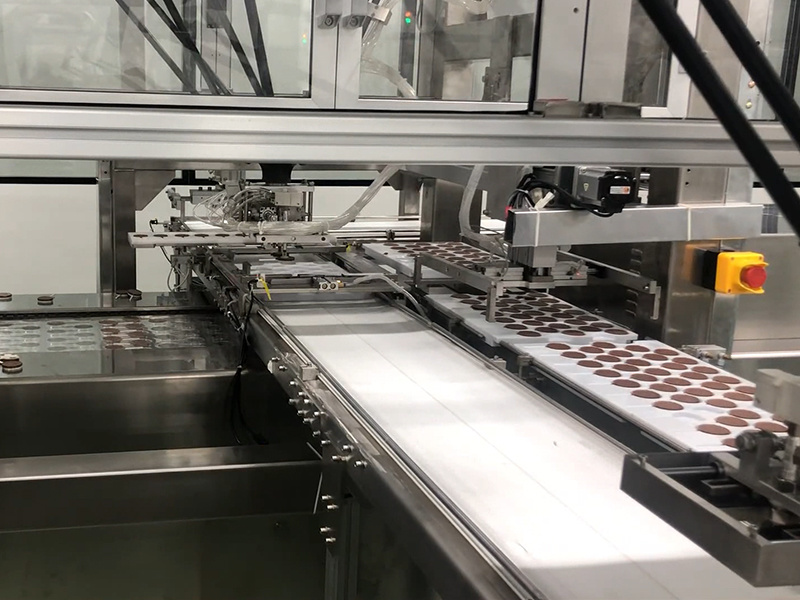
Robot sorting system: a new efficiency engine for the logistics industry
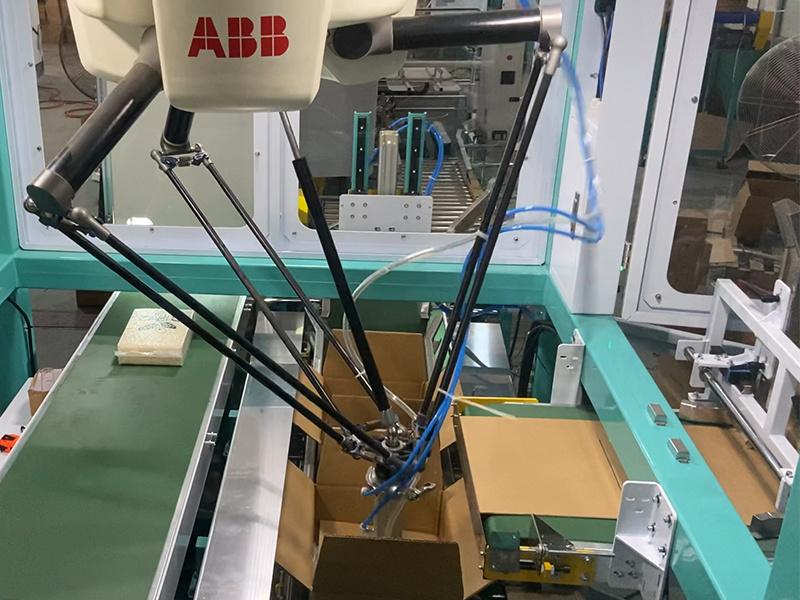
High-efficiency packaging assistant for industrial production
Leave us a message
We will contact you within one business day. Please check your email.
Quick Links
Contact Information
Telephone:0757-81260223
Telephone: 18666362425 (Mr. Zhang)
Telephone: 13927715024 (Ms. Tang)
Email: xinhan-robot@outlook.com
Address: Building 7, Floor 1, Area C,
Xinguangyuan Industrial Base, Luocun,
Nanhai District, Foshan City, Guangdong
Province


