
A staunch guardian of water purification product quality
Jun 23,2025

The quality of water purification products is directly related to people's drinking water safety and health, so strict and comprehensive quality control is essential. Inspection and testing equipment covers the entire process, from raw material inspection to semi-finished product inspection and finished product inspection, employing physical, chemical, and biological testing methods to accurately test various performance indicators of water purification products.
In the raw material inspection stage, the inspection and testing equipment mainly tests the quality of various materials used in the production of water purification products, such as activated carbon, RO membrane materials, filter element raw materials, and plastic casings. For activated carbon, the equipment will test indicators such as iodine adsorption value and methylene blue adsorption value, which reflect the adsorption capacity of activated carbon and directly affect the purification effect of the water purification product; for RO membrane materials, by testing their chemical stability and mechanical strength, ensuring that the manufactured RO membrane maintains good filtration performance during long-term use; for filter element raw materials, testing parameters such as fiber diameter and porosity, ensuring that the filter element's filtration accuracy and water flow rate meet standards; for plastic casings and other components, testing the safety, corrosion resistance, and mechanical strength of the material to prevent the release of harmful substances or cracking during use. Raw material testing equipment typically includes spectrometers, tensile testing machines, and pore size analyzers, which can quickly and accurately obtain test data and compare them with standard values. Only qualified raw materials can enter the production process.
Semi-finished product inspection involves quality inspection of various components and assembly stages during product production. For example, after the filter element is assembled, specialized filter element testing equipment is used to test its filtration performance. The equipment simulates the actual water purification process, introducing water containing a certain concentration of pollutants into the filter element, and then testing the filtered water quality to analyze whether the filter element's removal rate of different pollutants meets the design requirements. For RO membrane components, pressure testing equipment is used to test their water flow rate and desalination rate under different pressures, ensuring the stable and reliable performance of the RO membrane components. During the assembly of the water purifier, inspection and testing equipment will also test the connection of electrical circuits and the sealing of water pipes to prevent safety hazards such as electric shock and water leakage.
Finished product inspection involves comprehensive quality inspection of completed water purification products. In addition to rigorously testing the product's filtration performance again, the appearance, structure, and usability will also be evaluated. Using appearance inspection equipment, high-definition cameras and image recognition technology are used to check for scratches, defects, and color differences on the product surface; the product's structure is subjected to strength testing to ensure that it will not be damaged during normal use and transportation; in terms of usability, the noise, energy consumption, ease of operation, and comfort are tested. In addition, for water purification products related to drinking water safety, microbiological testing and residual chemical pollutant testing are also required. Microbiological testing equipment uses methods such as culturing and counting to detect whether bacteria and viruses will proliferate during product use; chemical pollutant residue testing equipment uses techniques such as chromatography and mass spectrometry to detect whether harmful chemicals such as heavy metals and pesticide residues remain in the product.
Inspection and testing equipment plays a crucial role in the production of water purification products. Through strict testing procedures and precise testing technology, product quality problems can be identified in a timely manner, preventing substandard products from entering the market and protecting consumers' health and rights. At the same time, the test data provides important evidence for companies to improve production processes and optimize product design, promoting continuous improvement in product quality and competitiveness. With continuous technological advancements, inspection and testing equipment will move towards greater intelligence, automation, and higher precision, providing stronger support for quality improvement and sustainable development in the water purification industry.
Latest News
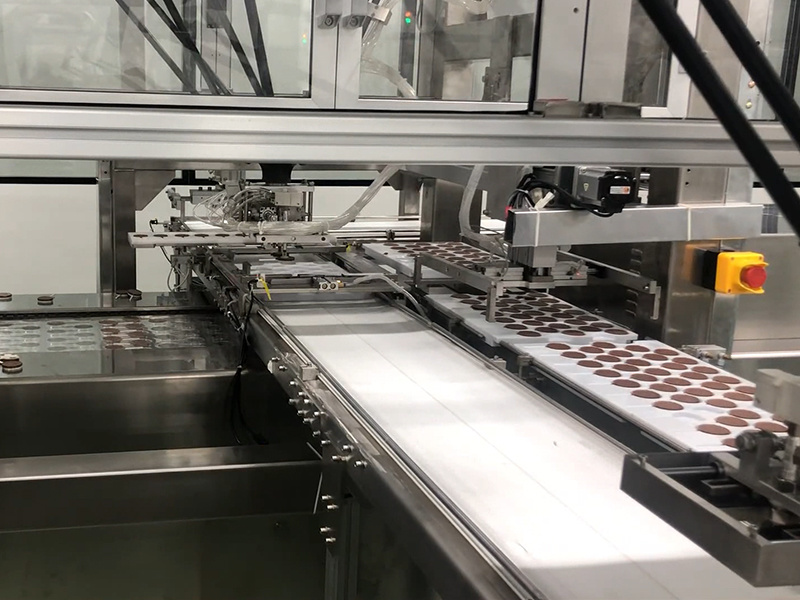
Robot sorting system: a new efficiency engine for the logistics industry
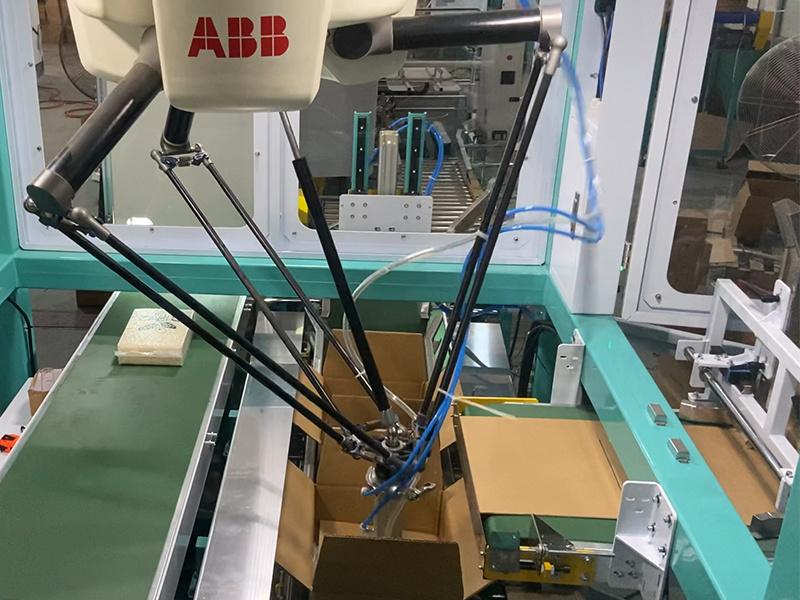
High-efficiency packaging assistant for industrial production
Leave us a message
We will contact you within one business day. Please check your email.
Quick Links
Contact Information
Telephone:0757-81260223
Telephone: 18666362425 (Mr. Zhang)
Telephone: 13927715024 (Ms. Tang)
Email: xinhan-robot@outlook.com
Address: Building 7, Floor 1, Area C,
Xinguangyuan Industrial Base, Luocun,
Nanhai District, Foshan City, Guangdong
Province


